Testosterone Replacement Therapy (TRT)

Overview

Titan T Center & Weight Loss specializes in personalized Testosterone Replacement Therapy (TRT) to help men restore healthy hormone levels and improve their overall quality of life. Low testosterone can affect many areas of daily health, including energy levels, muscle mass, motivation, mental focus, mood, libido, and weight management. Many men experience symptoms such as fatigue, brain fog, reduced strength, poor sleep, and unwanted weight gain without realizing that low testosterone may be the cause.
Getting started is simple. Titan T Center offers a quick consultation and convenient on-site blood testing, with many patients receiving same-day results. Once your hormone levels are evaluated, our medical team creates a customized TRT treatment plan based on your unique health needs and goals. Treatment is medically supervised and designed to help optimize testosterone levels safely and effectively.

Many patients report increased energy, improved focus, enhanced muscle development, better workout performance, healthier body composition, and a renewed sense of confidence after beginning TRT therapy. Because every patient is different, we focus on individualized care and ongoing support throughout the treatment process.

Titan T Center & Weight Loss is proud to provide professional low testosterone treatment to men throughout League City and Friendswood, Texas. We serve adults of all ages experiencing symptoms of low testosterone and are committed to helping every patient achieve better health and wellness. Walk-ins are always welcome, making it easy to take the first step toward feeling stronger, healthier, and more energized.


What is Low Testosterone?

Low testosterone, also known as hypogonadism, occurs when the body does not produce enough testosterone to maintain normal health and function. Testosterone is an important hormone that supports energy levels, muscle mass, strength, mood, focus, and sex drive. As men age, testosterone production naturally decreases. For many men, this decline begins around the age of 30 and continues gradually over time. While some changes are a normal part of aging, low testosterone levels can lead to noticeable symptoms that affect daily life, overall health, and quality of life. Understanding the signs of low testosterone is an important first step toward finding the right treatment and improving your overall well-being.

Man on motorcycle, Low t, testosterone treatment, testosterone replacement therapy, TRT

Symptoms of
Low T

Men with low testosterone may experience a wide range of symptoms. Common signs include a lower sex drive, low energy levels, hair loss, reduced muscle mass, difficulty concentrating, and changes in mood. While testosterone levels naturally decline with age, other factors can also contribute to low testosterone. Conditions such as diabetes and excess body weight have been linked to lower hormone levels in men. Understanding the symptoms of low testosterone can help you recognize when it may be time to seek treatment. Read our article on Low T symptoms to learn more.

Man in distress, Low t, testosterone treatment, testosterone replacement therapy, TRT

Testosterone Treatment

The goal of low testosterone treatment is to restore testosterone levels to a healthy range. When testosterone levels are balanced, many men experience improvements in energy, mood, strength, and overall well-being. There are several types of testosterone replacement therapy available today. However, Titan T Center focuses exclusively on testosterone injections. We provide customized injection-based treatment plans designed to help patients achieve and maintain optimal testosterone levels safely and effectively.

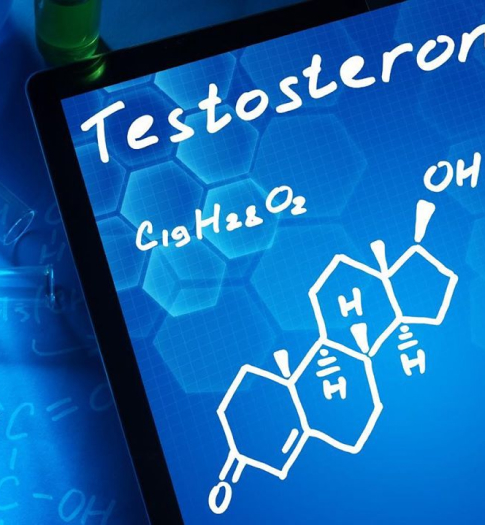
Testosterone Chemistry Symbol, Low t, testosterone treatment, testosterone replacement therapy, TRT

Why Testosterone Injections?

Testosterone injections allow the hormone to enter the bloodstream directly. This helps the body absorb testosterone without passing through the liver first. In some cases, too much processed testosterone can place stress on the liver, so this method helps reduce that risk. At Titan T Center, patient safety is very important. We carefully monitor key health markers during treatment, including hemoglobin levels and prostate health. We also track other important indicators to make sure treatment remains safe and effective. Regular monitoring helps us adjust care when needed and helps reduce the risk of side effects.

Testosterone Injection, Low t, testosterone treatment, testosterone replacement therapy, TRT

Frequently Asked Questions

Before you start testosterone replacement therapy, you may have several questions that need clear answers. We created this section to answer our most common questions and help you understand the condition and the treatment process. We want to educate you so you feel confident about your care and know what to expect. If you cannot find the answer to your specific question, please contact us by phone or email. Our team will gladly help you and provide the information you need.

Testosterone is a sex hormone that the testes produce. Males usually have higher testosterone levels, but females also produce small amounts through the ovaries. The hypothalamus and pituitary glands help control testosterone production in the body. This hormone plays an important role in sexual development, muscle growth, bone strength, fat distribution, mood, and energy levels.
Testosterone travels through the bloodstream and affects many parts of the body. It connects with androgen receptors on cells to deliver its effects. When testosterone binds to these receptors, it can influence different types of cells, including nerve cells, bone cells, muscle cells, and fat cells. Over time, these cells respond and adjust to support the hormone’s effects in the body.

Testosterone levels naturally change throughout the day. Levels also differ from person to person based on age, health, and other factors.

Individuals who experience decreased energy, increased central body fat, low libido, erectile dysfunction, depression, anxiety, poor concentration, or reduced strength may have low testosterone. These symptoms often point to low testosterone, but other medical conditions can also cause them. Because of this, you should always check your testosterone levels before starting any treatment for low testosterone.

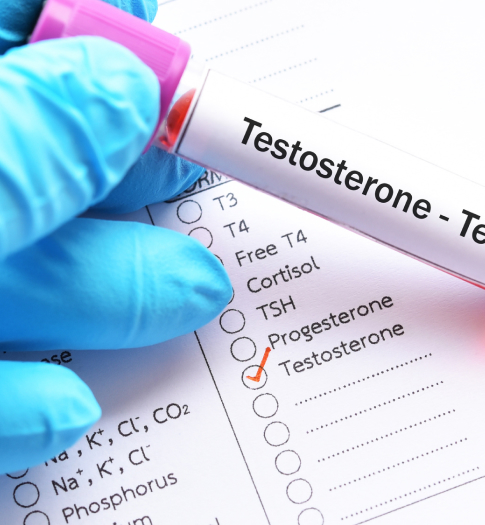
Doctors measure testosterone levels with a simple blood test. Normal total testosterone levels usually range from 300 ng/dL to 1000 ng/dL. A result outside this range may indicate a hormone imbalance that needs further evaluation and possible treatment.

Although there are a variety of causes for Low Testosterone, they are generally divided into two categories: primary deficiency and secondary causes. Primary deficiency is associated with a problem with the testes, whereas secondary causes stem from a problem outside the testicles that is prohibiting normal hormone production.

Primary disorders include the following:

  • Chromosomal abnormality
  • Undescended testis
  • Prior mumps infection
  • Cancer treatment
  • Other causes of injury to the testicle itself

Secondary causes include:

  • Hypothalamic or pituitary disorder
  • Medications
  • Concurrent illness
  • Inflammatory disease

Many studies show that testosterone levels decrease with age in most men. Researchers still do not fully understand how or why this decline happens in every case. When a doctor diagnoses a patient with hypogonadism, also known as low testosterone, the doctor must also check for other possible medical causes, such as illness or underlying health conditions. Doctors need to rule out these other causes before they confirm age-related low testosterone.
The FDA also states that the benefits and safety of testosterone replacement therapy (TRT) have not been fully established for men who have low testosterone only due to aging. This means doctors must carefully evaluate each patient before they recommend TRT. Proper testing and medical guidance help ensure safe and appropriate treatment decisions.

When testosterone levels drop below normal, the brain sends a signal to the testes to increase testosterone production. The body usually follows this natural process to keep hormone levels balanced. However, certain health conditions and changes in the body’s normal function can disrupt this pathway and affect hormone production.

Recent studies link low testosterone with several health concerns. These concerns include cardiovascular disease, higher risk of death, anemia, diabetes, and depression. Many studies also show that testosterone replacement therapy may help improve or reduce some of these risks in certain patients.

In clinical research, testosterone therapy shows several possible benefits. It may help reduce body fat, improve blood sugar control in people with diabetes, support bone strength, and lower the risk of atherosclerosis. Some studies also show that normal testosterone levels may help support heart health and reduce the risk of coronary artery disease. In addition, some patients report improvements in mood, anxiety, cognitive function, and overall mental clarity after treatment. Researchers also continue to study how testosterone may affect brain health and conditions such as Alzheimer’s disease.

However, each patient responds differently to treatment. TRT results vary from person to person, and no treatment guarantees the same outcome for everyone.

Because of how the testosterone molecule works in the body, pills and tablets can place stress on the liver. For this reason, no FDA-approved testosterone pills currently exist that doctors consider both safe and effective for general use. This has led medical providers to use other delivery methods to help patients receive testosterone safely.

Doctors may use patches and gels to deliver testosterone through the skin. These methods allow the hormone to absorb directly into the bloodstream. However, absorption can vary from person to person, which can make it harder to reach and maintain the right hormone levels. These options can also feel messy, and users must take care to avoid skin contact with children or other people after application.

Some patients choose subcutaneous implants. A doctor places these small pellets under the skin during a minor procedure. While implants can last for several months, they make it harder to adjust dosage once the doctor places them.

Testosterone injections offer another option. Patients usually need more frequent visits, but injections allow doctors to adjust dosage more precisely. This helps providers fine-tune treatment to reach more accurate and stable testosterone levels for each patient.

Many people strongly associate testosterone with individuals who want to increase muscle growth or improve athletic performance. This association has given testosterone a negative reputation in some cases. However, this view does not reflect the full medical purpose of testosterone treatment.

When a qualified healthcare provider properly diagnoses low testosterone, creates a treatment plan, and monitors the patient, many individuals experience significant improvements in their overall health. These improvements may include better energy, improved mood, increased strength, and enhanced quality of life.

A large amount of scientific research supports the safety of testosterone replacement therapy when a trained medical professional supervises treatment. Proper evaluation, correct dosing, and regular follow-up care help ensure safe and effective results for patients with low testosterone.

Testosterone can increase red blood cell count. This increase can make the blood thicker and may raise the risk of blood clots in some patients. Health risks linked to high testosterone levels may include pulmonary embolism, heart attack, and stroke.
Titan T Center & Weight Loss closely monitors each patient’s red blood cell levels during treatment. Our team tracks lab results and adjusts care when needed to help keep levels within a safe and normal range. We focus on careful supervision to support patient safety throughout TRT therapy.

For more information about heart health risks, we encourage you to read our blog on the testosterone levels and cardiovascular risk. It explains how hormone levels may affect heart health in more detail.

We also recommend that patients review the latest latest FDA. The FDA reports a possible increased cardiovascular risk associated with testosterone use. This is why proper medical evaluation and ongoing monitoring remain important for anyone receiving testosterone therapy.

Researchers first developed this idea around 1941, but later scientific studies have challenged and largely debunked it. A scientific review shows no clear or conclusive evidence that testosterone therapy increases the risk of prostate cancer. Early research also shows that testosterone therapy does not automatically rule out treatment for men who have a history of prostatic intraepithelial neoplasia.

However, each patient needs individual evaluation. You should always speak with your provider atTitan T-Center & Weight Lossbefore starting treatment. Our team encourages open and detailed discussions about testosterone replacement therapy and its possible relationship to prostate health, including prostate cancer risk. This helps ensure you understand your personal risks and benefits and receive care that fits your specific health needs.

Titan T-Center & Weight Loss exclusively provides testosterone injections to our patients because they are significantly safer and more effective than other forms of treatment. For patients who experience severe levels of fatigue on a regular basis due to B12 deficiency, we happily provide B12 injections. Finally, HCG or human chorionic gonadotropin may be administered after the first month’s treatment to stimulate the testes and prohibit testicular atrophy. For more information, please call or contact us!

Your levels of testosterone will go back to pre-treatment levels, or possibly below pre-treatment levels. Just like most medications, the body “uses” the testosterone, thereby requiring regular dosages. However, the effects of testosterone therapy, such as increased bone density and lean body mass, may linger for weeks or months.

Testosterone replacement therapy and laboratory testing is covered by many insurance carriers, although you should check the terms of your current plan to be sure. Titan T-Center does not accept Medicare or Medicaid at this time. We offer flexible cash payment plans for patients paying out-of-pocket.

See what some of our patients have to say.

Our goal as a low T clinic is provide professional, friendly, and efficient care to all our patients. But don’t just take our word for it! See what these patients had to say.

We don’t cut corners.

"As a fitness professional, I highly recommend this place. When it comes to your health, you cannot cut corners. I assure Titan does nothing of the sort either. The products this establishment works with are top notch. Furthermore, they really take care of you and your health. This is definitely the place to go."

- C. N.

Unprecedented Professionalism

"An amazing place, if I could give them 6 stars I would. The staff is unprecedented in their professionalism as well as their care and humility. [The Titan staff members] are incredible."

- C. K.