
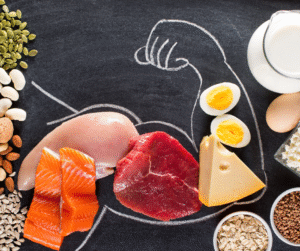
 For anyone trying to take control of their health, navigating weight loss plans and diet fads can be stressful. Many diet options emphasize aggressive restrictions, ranging from the types of food you consume to the amounts you eat. However, the truth is that weight loss is a complicated problem – oftentimes one that ends with frustration and lowered self-esteem when you don’t achieve the results you were aiming for. Most often, the biggest foe in your weight-loss plans is losing muscle along with fat due to poor nutrition, something that not only derails your plans but can also cause long-term metabolic issues. At Titan T-Center in Friendswood, our team can help you use macronutrients to take control of your weight-loss plans by educating you on the critical roles of protein and other essential nutrients in your diet.
Protein works as an asset during your weight loss plan through three key functions:
- Satiety
- Thermogenesis
- Muscle Preservation
Without these core functions, your weight loss goals would fall flat, making it a strategic asset in any full-scale weight loss plan. Use this blog to learn more about how protein can help you achieve your weight loss goals.
Weight Loss 101: Beyond The Calorie
The biggest misconception when it comes to diet culture is broken down into four words: calories in, calories out. If this were the case, weight loss plans would be simple. But the truth is that your body isn’t a simple formula; it’s a highly dynamic system that is different from person to person. Because of this, finding the right fit for you and understanding how different nutrients play differentiating roles is essential for success. The key is focusing on metabolic efficiency and understanding exactly what every calorie you consume is doing for your body.
The most basic thing to remember for any weight loss plan is the energy balance equation. Broken down, this means that if you’re consuming more calories than you burn through exercise, you will gain weight. But if you consume fewer than you’re burning, then you’ll lose weight. This simple mindset can help diffuse the confusion that many people find when starting a weight loss plan.
Molecular Breakdown: Protein’s Fundamental Role
To truly understand how important protein is for weight loss, you first must realize how it functions at a molecular level. The three types of macronutrients that your body needs include:
- Proteins: Work to build, repair, and maintain structures within your body – such as muscles and enzymes.
- Fats: Highly concentrated stored energy; they are key for supporting long-term hormonal function and cell membrane structure.
- Carbohydrates: Your body’s source of fast, easy access energy that fuels the brain and physical activity.
Unlike carbohydrates and fats, protein works as a raw material that supports nearly every aspect of the human body. What makes proteins unique is that they are composed of amino acids that link together individually to form proteins. These blocks of protein are like LEGO blocks; they can easily be broken down and fit into nearly every aspect of the body for countless functions. These functions can include things like muscle repair, bolstering immune response, and developing more metabolic enzymes. This is especially essential anytime your body is in a caloric deficit. This is because it requires a high amount of protein in order to prevent muscle breakdown, as well as supplying lean tissue for energy.
Using Satiety For a Sustainable Weight Loss Plan
For many people, beginning their weight loss plan, the biggest deterrent is typically not lack of motivation or effort – it’s usually the unrelenting feeling of hunger. This sensation often turns weight loss plans into a psychological battle, instead of an achievable goal. Protein plays a huge role in giving your body the satisfaction sensation it needs to feel “full” and keep you from falling victim to the cravings and snacking frenzies.
Protein does this by lowering your body’s production of Ghrelin, which is the hormone that creates the hunger sensation. Additionally, protein keeps you full for longer than the other types of macronutrients, helping you naturally reduce caloric intake during the day.
Applications for using satiety to curb cravings during your weight loss plan could look like:
- Eating a high-protein breakfast within 30 minutes of waking up can help prevent blood sugar crashes before your next meal.
- Including lots of protein in your evening meal to prevent late-night cravings or bingeing.
- Spread your daily protein intake out over three meals.
The easiest way to implement the satiation strategy in your weight-loss plan is to prioritize protein at every meal.
Metabolic Burn: How Protein Turns Digestion Into Weight Loss
Everybody dreams of shedding weight without ever setting foot in a gym, and the truth is, with proper nutrition, you can accelerate your weight loss plan with just the food you eat. This can be done by using the Thermic Effect of Food, which provides a figure for the energy each food requires to be fully digested. All foods require energy to be digested, but protein requires significantly more energy than other foods to be digested and distributed throughout the body. For example, the ranges of energy needed for each type of macronutrient include:
- Fat: TEF range of 0-3%
- Carbohydrates: TEF range of 5-10%
- Proteins: TEF range of 20-30%
This means that for every 100 calories of protein consumed, 20-30 calories are burned simply by digesting it and allocating it to systems throughout your body to be used. For many weight loss plans, this can make results more attainable and faster to achieve.
How Protein Protects Muscle For Weight Loss Success
When you enter a calorie deficit, your body will begin to break down tissue for energy – including both muscle and fat. Over time, if a large amount of your muscle deteriorates, then you may lose energy and strength, as well as lower your overall metabolism. Because of this, it is essential to prioritize a high protein intake, as protein and the amino acids that form it play a vital role in signaling your body to maintain muscle tissue and instead only burn away fat.
This also means that combining strength training with a high-protein diet is the key to maintaining muscle during your weight loss plan, as this promotes a fast metabolism and protects your body from muscle loss.
Make Protein a Non-Negotiable For Optimal Weight Loss Plan Success
Prioritizing protein goes much further than just counting calories and hoping for the best. It plays a crucial role in helping manage some of the most difficult aspects of weight loss, as well as sets you up for post-weight-loss success by boosting your overall metabolism. The overall best tips for prioritizing protein during your weight loss plan include:
- Take the load of breakfast and dinner by spreading your protein intake evenly throughout every meal.
- Consume protein after a workout to support muscle building and maintenance.
- Opt for high-quality protein sources, such as lean meats, fish, dairy, eggs, or legumes.
Don’t let your weight loss plan be a mystery. When you work with Titan T-Center, we help our clients take the guesswork out of their diet plan. By setting yourself up for success by working with a team of experts, you can approach your weight loss goals with confidence and the support you need. Contact us today for a free weight loss plan consultation with Titan T-Center.